Audi Quattro AWD System Explained: How It Works and Key Benefits for Drivers
The Audi Quattro all-wheel drive (AWD) system is a hallmark of German engineering, designed to enhance vehicle performance and safety across various driving conditions. This article delves into the mechanics of the Quattro system, its core technology, and the benefits it offers to drivers. Understanding how the Quattro system operates can help drivers appreciate its advantages, especially in challenging weather or off-road scenarios. We will explore the different generations of Quattro, the primary benefits for vehicle performance, and essential maintenance practices to ensure its longevity.
What Is the Audi Quattro AWD System and Its Core Technology?
The Audi Quattro AWD system is a sophisticated technology that provides power to all four wheels of a vehicle, enhancing traction and stability. This system utilizes a combination of differentials, a center differential or transfer case, and torque vectoring to distribute power effectively. The Quattro system is designed to improve handling and performance, particularly in adverse conditions such as rain, snow, or off-road environments.
How Does the Quattro System Distribute Power for Enhanced Traction?
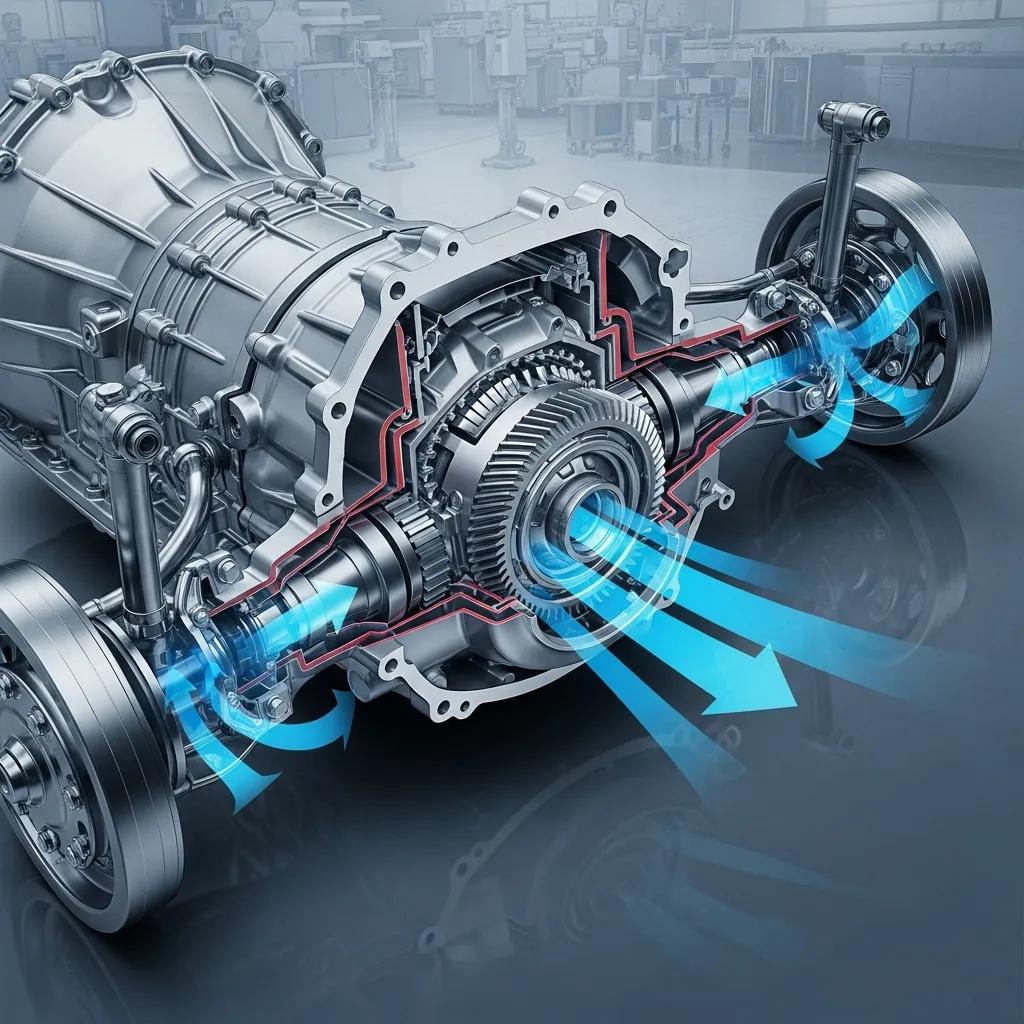
The Quattro system employs a dynamic power distribution mechanism that adjusts the torque sent to each axle based on traction needs. This means that if one axle begins to slip, the system can redirect power to the axle with better grip, ensuring optimal traction. For instance, during acceleration on slippery surfaces, the Quattro system can send up to 100% of the engine’s power to either the front or rear axle, significantly enhancing stability and control.
What Are the Main Components: Differentials, Transfer Case, and Torque Vectoring?
The core components of the Quattro system include differentials, a center differential or transfer case, and torque vectoring systems. The differentials allow for the distribution of power between the left and right wheels on each axle, while the center differential or transfer case manages the power distribution between the front and rear axles. Torque vectoring further enhances performance by adjusting the power sent to each wheel independently, improving cornering and stability. This intricate setup is what makes the Quattro system a leader in AWD technology.
How Do Different Quattro Generations Work: Torsen, Haldex, and Ultra Explained
Over the years, Audi has developed several generations of the Quattro system, each with unique features and benefits. The Torsen, Haldex, and Ultra systems represent significant advancements in AWD technology.
What Are the Features of the Torsen Differential in Quattro Systems?
The Torsen differential is a key feature of many Quattro systems, known for its ability to provide a permanent all-wheel drive experience. It uses a gear-based mechanism to distribute torque between the front and rear axles, ensuring that power is always available where needed. This system excels in providing consistent traction and stability, making it ideal for performance-oriented driving.
Further insights into the mechanical workings of the Torsen differential highlight its sophisticated design as a limited-slip device.
Torsen Differential Mechanics: How Audi Quattro Works
The Torsen is a purely mechanical differential which functions as a limted-slip device. A sketch of a Torsen T-1 type differential is shown in Figure 2.1. The Torsen (Torque Sensing) differential consists of a worm gear set and a planetary gear set.
Design of an aluminum differential housing and driveline components for high performance applications, 2004
Academic research further elaborates on the Torsen’s role as a mechanical inter-axle differential, particularly in models like the Audi A6 Quattro.
Audi Quattro Torsen Differential: Core Technology Explained
Torsen is an inter-axle differential mechanism, which is a mechanical solution. The research object was an Audi A6 Quattro. The drive transmission system for the front and rear axles of the Audi A6 Quattro is equipped with a Torsen differential.
Effect of a Torsen differential mechanism on car tyre wear, B Kolator, 2018
How Does the Haldex On-Demand AWD System Operate?
The Haldex system, used in some Quattro models (primarily those with transverse-mounted engines), operates on an on-demand basis. It primarily powers the front wheels but can engage the rear wheels when additional traction is required. This system is particularly effective in improving fuel efficiency while still offering the benefits of AWD when needed. The Haldex system is responsive and can adapt quickly to changing road conditions, providing a balance between performance and efficiency.
What Are the Primary Benefits of Audi Quattro AWD for Vehicle Performance and Safety?
The Audi Quattro AWD system offers numerous benefits that enhance both vehicle performance and safety.
- Improved Traction: Quattro provides superior grip on various surfaces, including wet, icy, or uneven terrain.
- Enhanced Stability: The system helps maintain vehicle stability during acceleration and cornering, reducing the risk of skidding.
- Safety Features: Quattro enhances safety by improving handling and control, especially in adverse weather conditions.
For drivers seeking a reliable and high-performing vehicle, the Quattro system stands out as a top choice.
How Does Quattro Improve Traction and Stability in Various Conditions?
Quattro significantly improves traction and stability by distributing power to all four wheels, which is crucial in challenging conditions. For example, during heavy rain or snow, the system can adjust power distribution to prevent wheel slip, ensuring that the vehicle remains stable and controllable. This capability is particularly beneficial for drivers who frequently navigate through inclement weather or off-road environments.
In What Ways Does Quattro Enhance Handling and Driving Confidence?
The Quattro system enhances handling by providing a balanced distribution of power, which allows for more precise steering and cornering. Drivers often report increased confidence when driving in challenging conditions, knowing that the Quattro system is actively working to maintain control. This confidence translates into a more enjoyable driving experience, whether on winding roads or during everyday commutes.
How Should Audi Quattro Systems Be Maintained to Ensure Longevity and Reliability?
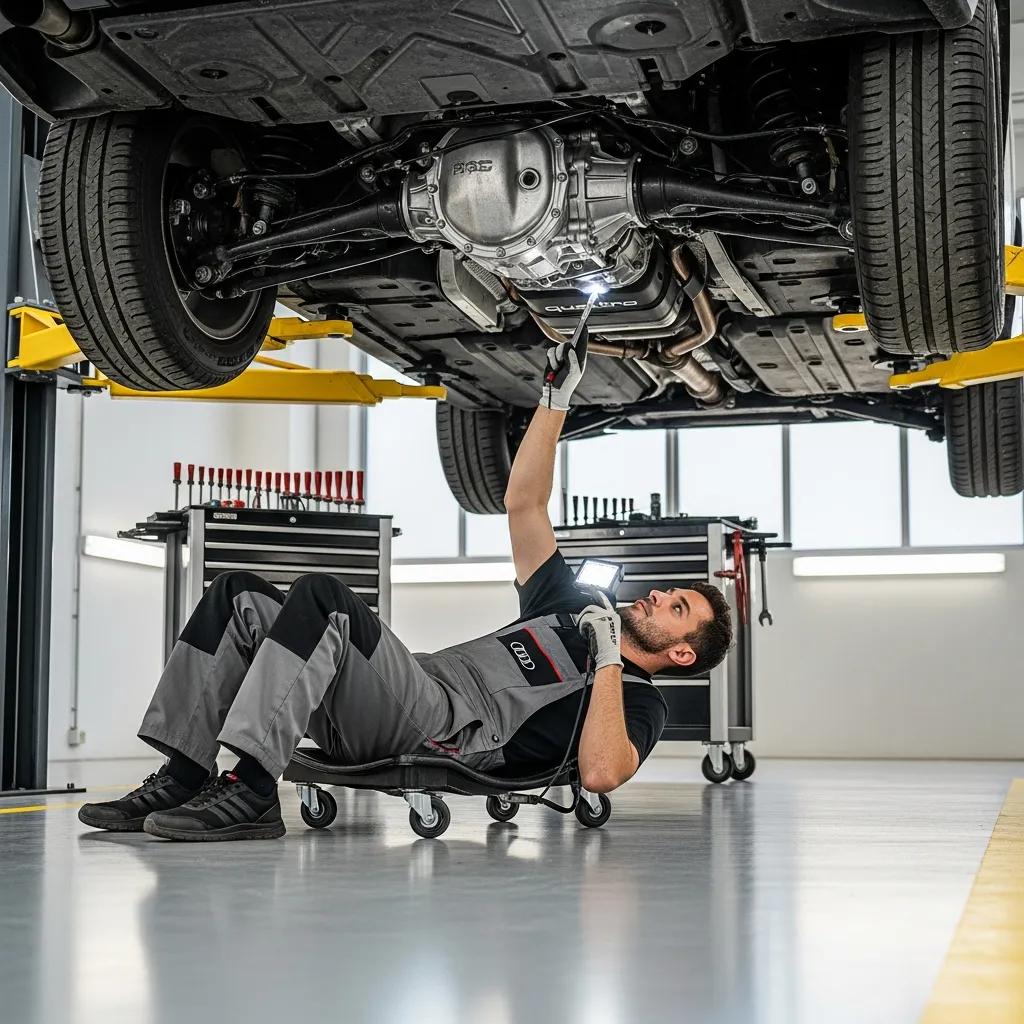
Maintaining the Audi Quattro system is essential for ensuring its longevity and reliability. Regular maintenance practices can help prevent common issues and keep the system functioning optimally.
What Is the Recommended Maintenance Schedule for Quattro Fluid Changes?
Regular fluid changes are crucial for the Quattro system’s performance. It is recommended to change the differential and transfer case fluids every 30,000 to 60,000 miles, depending on driving conditions and specific model recommendations. Using high-quality fluids that meet Audi specifications is essential for maintaining the system’s efficiency and preventing wear.
How Can Common Quattro Problems Be Diagnosed and Prevented?
Common issues with the Quattro system can include unusual noises, warning lights, or a decrease in performance. Regular inspections and diagnostics can help identify potential problems early. Drivers should be aware of any changes in handling or performance and consult a qualified technician for any concerns. Preventative maintenance, such as timely fluid changes and inspections, can significantly reduce the risk of major issues.
| Component | Maintenance Task | Recommended Interval |
|---|---|---|
| Differential Fluid | Change fluid | Every 30,000 – 60,000 miles |
| Transfer Case Fluid | Change fluid | Every 30,000 – 60,000 miles |
| Brake System | Inspect and service | Annually |
This table outlines essential maintenance tasks for the Quattro system, emphasizing the importance of regular servicing to ensure optimal performance and longevity.
While focusing on specific systems like Quattro, it’s also important to consider broader vehicle maintenance. For instance, addressing complex issues such as engine repair is crucial for any vehicle’s longevity and performance, ensuring all components work in harmony.
In summary, the Audi Quattro AWD system exemplifies advanced automotive technology, providing drivers with enhanced performance, safety, and confidence on the road. Regular maintenance is key to enjoying the full benefits of this remarkable system, ensuring that it continues to deliver exceptional driving experiences for years to come.