
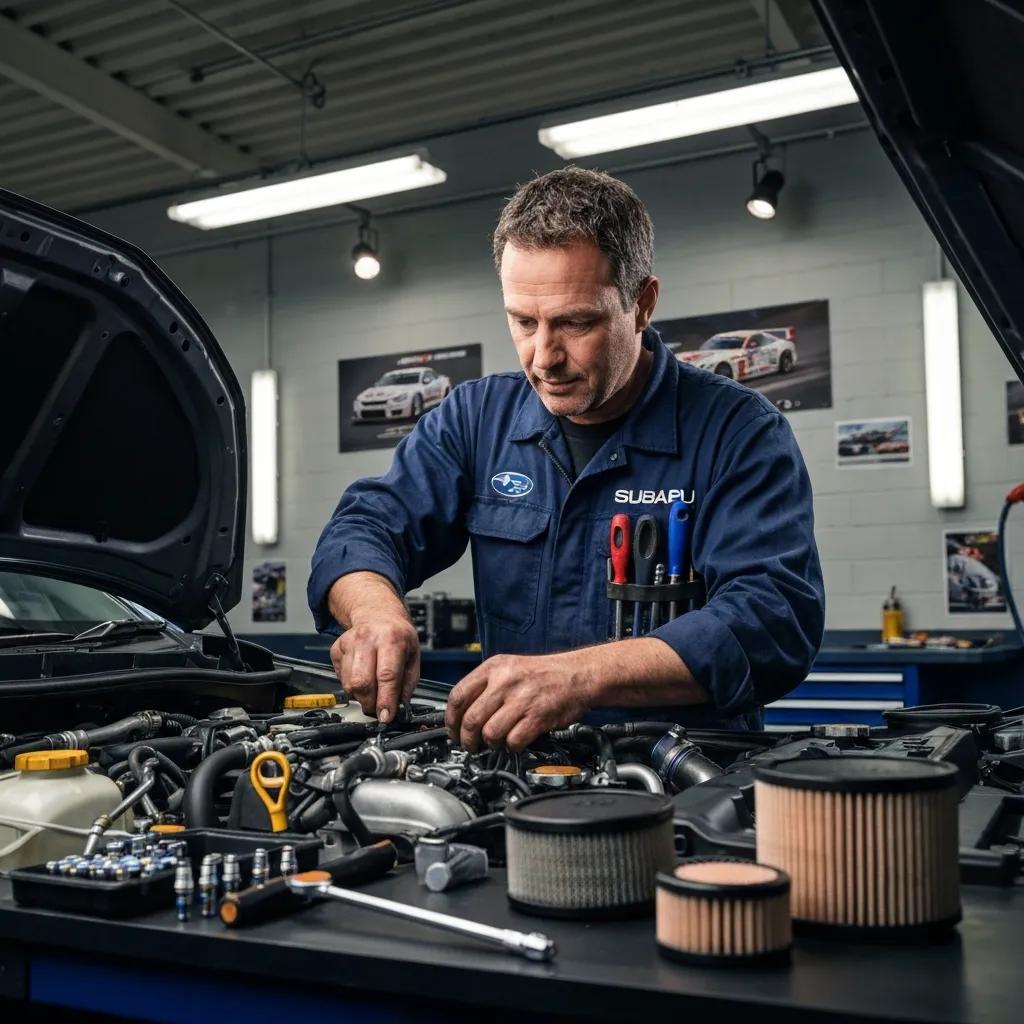
Find a Trusted Subaru Mechanic in Castle Rock, CO — Expert Repair & Service
For Subaru owners in Castle Rock, finding a mechanic who understands Symmetrical AWD, steering systems, and unique components is crucial. This guide helps you recognize when to schedule service, understand common repairs, and choose a local shop with proper diagnostic and parts practices. It covers available services—diagnostics, brakes, tire care, wheel alignment, steering, and routine maintenance—plus guidance on costs, model-specific issues, and local conveniences. Learn what to watch for on your Outback, Forester, Crosstrek, or WRX to get dependable repairs in Castle Rock.
What Subaru Repair and Maintenance Services Are Available Near Me?
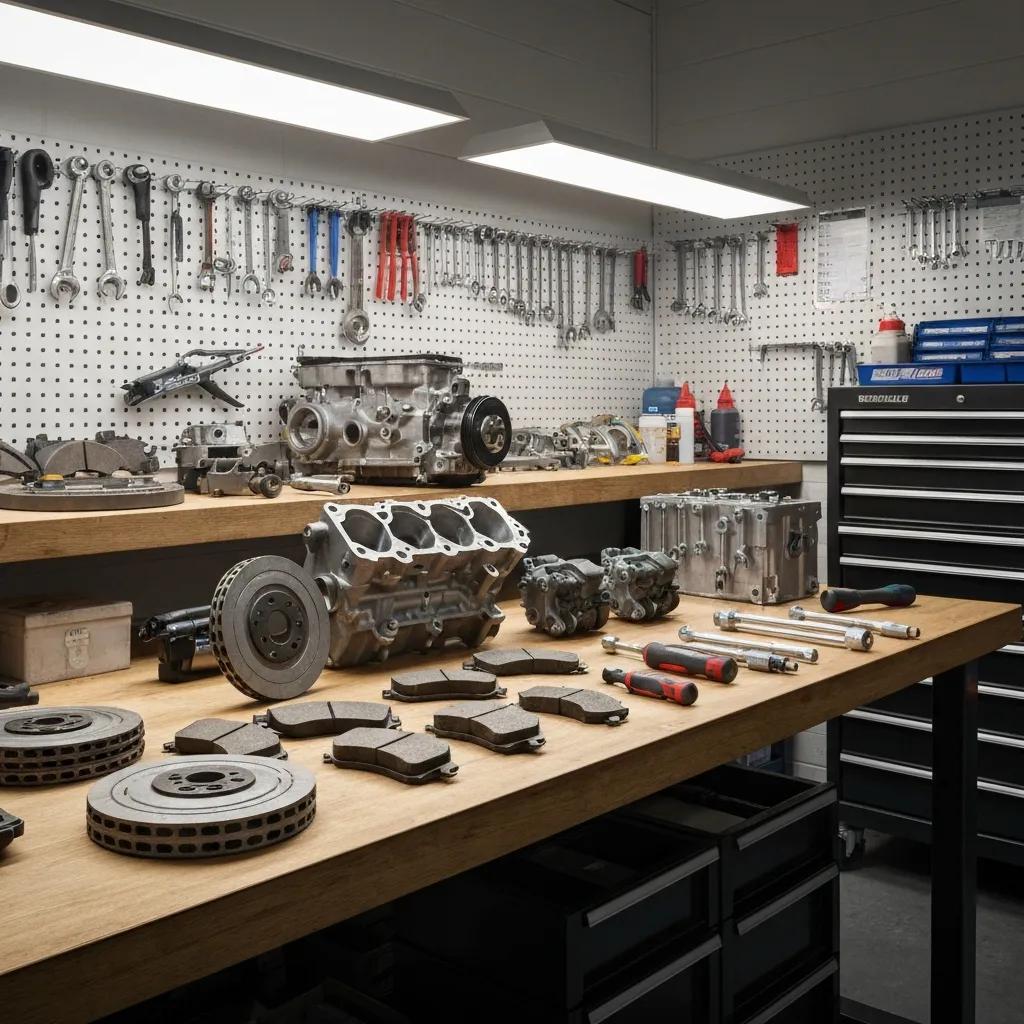
Castle Rock shops offer a full suite of Subaru services, from basic maintenance to complex diagnostics. Technicians handle brake pads, rotors, tire services, wheel alignment, steering system checks, CVT care, and driver-assist calibrations. Providers use methodical diagnostic processes—OBD-II scanning, visual inspection, and component testing—ensuring recommendations are based on root causes. Core Subaru services you can expect are outlined below.
- Automotive diagnostics that read codes, capture live data, and pinpoint the issue.
- Brake repair: pad replacement, rotor resurfacing or replacement, and ABS troubleshooting.
- Tire services: rotation, balancing, replacement, and pressure monitoring system (TPMS) checks.
- Wheel alignment: precise adjustments to camber, caster, and toe for optimal handling and tire wear.
- Steering system repair: power steering fluid service, component inspection, and rack-and-pinion diagnostics.
- Transmission service for CVT and conventional automatics — fluid service and adaptive resets included.
- Electrical system work, plus programming and calibration for driver-assist systems.
Which Subaru Models Do Local Mechanics Specialize In?
Local Castle Rock shops service all Subaru models: Outback, Forester, Crosstrek, WRX, Impreza, Legacy, Ascent, and BRZ. Technicians focus on AWD system checks, CVT service, tire wear, and steering response. Older models may need cooling system attention; newer cars often require EyeSight calibration. Provide your model year and symptoms when booking for efficient service.
What Routine Maintenance Services Keep Your Subaru Running Smoothly?
Subaru routine maintenance focuses on timely oil and filter changes, regular brake checks, consistent tire rotations and alignments, fluid inspections (CVT or transmission fluid), and AWD/driver-assist calibrations. Preventive schedules preserve drivetrain health, optimize tire longevity, and maintain consistent braking and steering. Inspect air/cabin filters and brake components at recommended intervals; a service log protects warranty and value.
Trusted Subaru Brake Repair Experts in Castle Rock, CO
Picking a reliable independent Subaru mechanic comes down to credentials, diagnostic capability, transparent estimates, warranty coverage, and customer conveniences that limit downtime. A trustworthy shop shows Subaru knowledge—ASE certifications or manufacturer training—uses clear diagnostic workflows, and explains options like OEM vs. aftermarket parts so you can weigh cost versus longevity. For Castle Rock drivers, prioritize shops that back work with solid warranties and offer loaner cars or shuttle service. Use the checklist below when vetting local providers.
- Certifications and Training: Verify ASE credentials and experience with Subaru-specific systems or manufacturer training.
- Transparent Pricing: Ask for written estimates that list parts, labor, and any diagnostic fees before work starts.
- Warranty and Service Guarantees: Look for shops that stand behind repairs with multi-year warranties where available.
- Convenience Services: Prefer shops offering loaner cars, shuttle service, or an after-hours drop box to simplify logistics.
Titan AutoTech, for example, employs ASE and BMW Master Certified technicians and highlights clear pricing, skilled workmanship, and customer-first conveniences. The shop also offers a 4-year/50,000-mile nationwide warranty on repairs, plus loaner cars, shuttle service, and an after-hours drop box—features that illustrate what to expect from a dependable independent center.
What Certifications and Expertise Should a Subaru Mechanic Have?
Qualified Subaru mechanics hold ASE certifications and have manufacturer-aligned training. Subaru-specific tech—CVTs, EyeSight, Symmetrical AWD, and steering components—requires targeted diagnostics and up-to-date tools. Look for shops performing OBD-II scans, precise wheel alignment, steering system diagnostics, and CVT fluid evaluations to ensure technical depth and reliable repairs.
Why Is Transparent Pricing and Warranty Important for Subaru Repairs?
Transparent pricing and clear warranty terms ease decision-making by laying out cost drivers—parts quality, labor time, and diagnostic complexity—and clarifying what’s covered and for how long. Itemized estimates let you compare OEM versus aftermarket choices and weigh upfront cost against long-term durability and resale value. A warranty such as a 4-year/50,000-mile nationwide guarantee shifts risk away from you and signals a shop’s confidence in its work. Added conveniences like loaner cars or shuttle service reduce the non-monetary cost of repairs, so choose providers who combine clear estimates with meaningful warranties and practical customer options.
What Are Common Subaru Problems and How Do Mechanics Diagnose Them?
Common Subaru issues include CVT concerns, uneven tire wear, steering looseness, alignment problems, brake wear/ABS faults, and electrical glitches affecting sensors or EyeSight. Technicians use a layered diagnostic approach: symptom mapping, targeted tests, and data-driven repair plans. This starts with OBD-II scanning, followed by mechanical checks like tire inspections, alignment measurements, steering component play checks, CVT fluid/pressure checks, and ABS sensor voltage testing. The table below links frequent problems to symptoms and diagnostic steps.
| Problem | Common Symptoms | Diagnostic Steps |
|---|---|---|
| CVT issues | Shuddering, delayed acceleration, transmission fault codes | Scan transmission codes, inspect CVT fluid level and condition, road test with data logging |
| Uneven tire wear / Alignment issues | Feathering, cupping, pulling to one side, steering wheel off-center | Tire inspection, tread depth measurement, 4-wheel alignment check |
| Steering system issues | Loose steering, excessive play, groaning noises, difficulty turning | Steering component inspection (tie rods, ball joints), power steering fluid check, rack-and-pinion assessment |
| Brake wear/ABS faults | Squealing, vibration, ABS warning light | Visual pad and rotor inspection, measure rotor runout, test ABS sensor signals |
| Electrical faults | Intermittent warnings, excessive battery drain | Charge and battery test, parasitic draw check, module scans for faults |
How Are Subaru Drivetrain, Transmission, and Steering Issues Diagnosed and Repaired?
Diagnostics begin with electronic scanning for codes and data, followed by mechanical inspections specific to Subaru designs—steering component checks, wheel alignment measurements, and CVT fluid analysis. Technicians use scan results to prioritize further tests and inspect for drivetrain or steering component wear. Repair plans balance new parts, reconditioned components, or rebuilds, including post-repair software resets or transmission adaptive relearns to restore drivability. This helps owners anticipate labor and parts needs.
What Signs Indicate My Subaru Needs Brake or Electrical System Repairs?
Brake problems often show up as squeals, longer stopping distances, pedal pulsation, or ABS warnings—basic owner checks like pad thickness and brake fluid level can show urgency before a professional inspection. Electrical issues may produce rapid battery drain, flickering dash lights, intermittent starting, or persistent warning lights; technicians follow that up with charging system checks, parasitic draw tests, and module scans to isolate the fault. Catching these symptoms early and scheduling diagnostics reduces repair scope and prevents secondary damage, so don’t delay when you notice warning signs.
How Much Does Subaru Brake Repair and Other Services Cost Near Me?
Costs for Subaru brake work and common services depend on parts quality, labor rates, and your model, but they break down into predictable components—pads, rotors, and labor—with diagnostics and CVT work adding complexity. Key cost drivers include OEM versus aftermarket parts, whether rotors can be resurfaced or must be replaced, labor time by model and drivetrain layout, and any diagnostic or calibration fees. The compact table below shows typical services, primary cost drivers, and how they tend to affect price so you can compare estimates intelligently.
| Service | Cost Driver | Typical Impact on Price |
|---|---|---|
| Brake pad replacement | Pad material choice (OEM vs aftermarket) | Moderate |
| Rotor replacement/resurfacing | Rotor damage and additional labor time | High when replacement is required |
| Brake fluid flush | Fluid type and flushing time | Low to moderate |
| Diagnostic fee | Complexity of ABS or electrical faults | Variable; rises with module work |
What Factors Affect Subaru Brake Repair Costs in Castle Rock?
Local brake prices reflect parts availability, rotor and pad selection, hourly labor rates, wheel size, and whether ABS or electronic parking brakes require extra calibration. OEM pads usually cost more but offer consistent feel and longevity; aftermarket pads can save money but vary in performance. The repair scope—pads only versus pads plus rotors or caliper work—changes parts and labor totals, and performance trims with larger rotors raise both costs and labor time. Ask for itemized estimates and compare part options so you can make a safe, cost-effective choice.
Are There Warranty and Loaner Car Options Available for Subaru Repairs?
Warranties and loaner programs reduce hassle by covering certain defects for a set period and providing short-term transportation while your car is in the shop. Ask each provider about eligibility, exclusions, and how claims are handled. Some independent shops offer extended nationwide warranties covering parts and labor for multiple years, which transfers long-term risk away from you and signals confidence in workmanship. Loaner cars, shuttle service, and after-hours drop boxes further minimize disruption—confirm insurance requirements, reservation steps, and any fees before you leave your vehicle. These conveniences make repairs less stressful and keep your routine moving.
What Is the Recommended Subaru Maintenance Schedule for Optimal Performance?
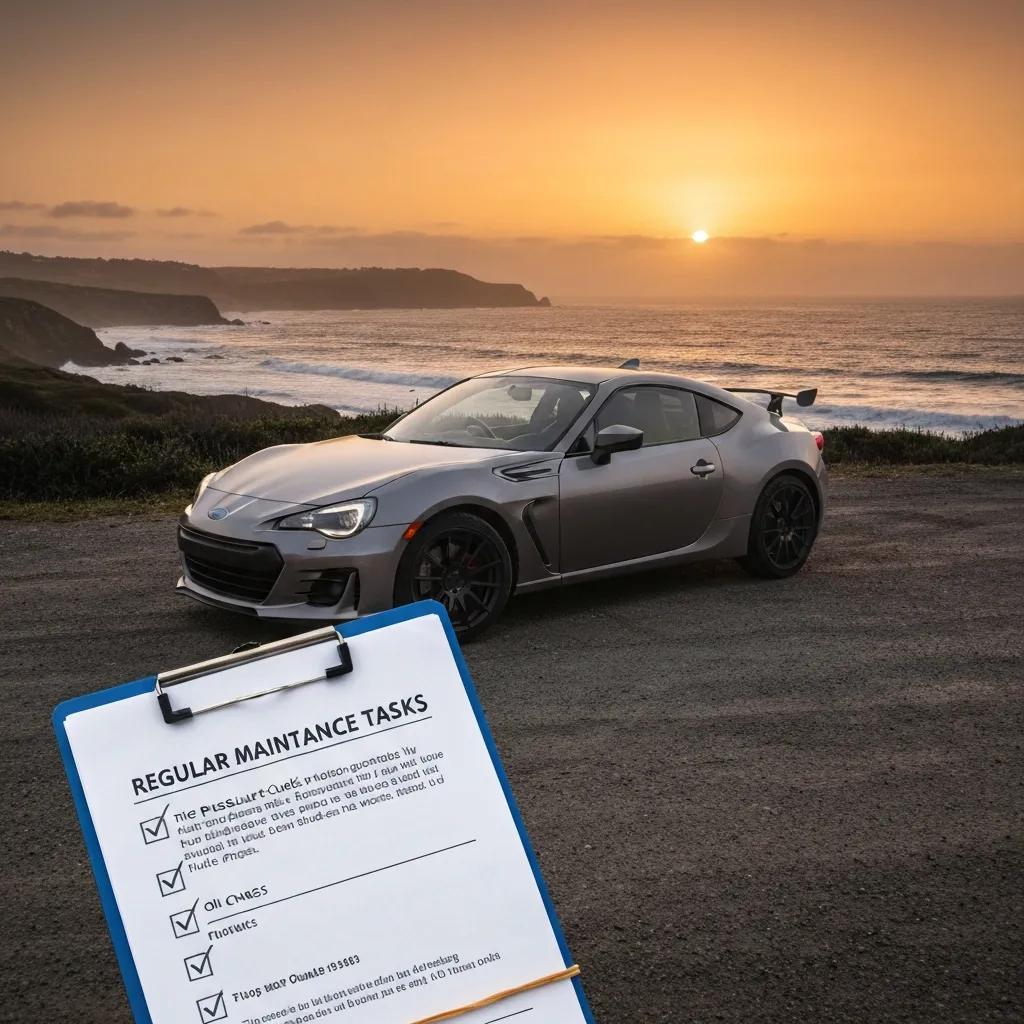
Optimal Subaru maintenance involves regular oil/filter changes, brake inspections, scheduled CVT/transmission service, cooling system checks, and critical tire, wheel alignment, and steering system inspections. Adjust intervals for severe use (short trips, mountain driving, towing). Preventive care protects CVT components, maintains Symmetrical AWD, and ensures optimal tire longevity and steering precision. The table below lists common services, intervals, and notes to avoid preventable failures.
| Service | Interval / Reason | Notes |
|---|---|---|
| Oil & filter change | Every 5,000–7,500 miles | Use the manufacturer-recommended oil grade; shorten interval for severe service |
| Brake inspection | Every 6 months or 6,000–10,000 miles | Check pads, rotors, and brake fluid condition |
| Tire Rotation & Balance | Every 5,000–7,500 miles (with oil change) | Ensures even wear and extends tire life, crucial for AWD. |
| Wheel Alignment Check | Annually or every 15,000 miles | Prevents uneven tire wear and maintains precise steering. |
| Steering System Inspection | Every 30,000 miles | Check for fluid leaks, component wear, and proper function. |
| CVT fluid/service | 30,000–60,000 miles (model-dependent) | Follow model-specific guidance; replace if contaminated or degraded |
| Cooling system check | Every 30,000 miles | Helps prevent overheating. |
| EyeSight calibration | After windshield replacement or sensor work | Required to preserve lane-keep and adaptive cruise reliability |
How Often Should I Service My Subaru’s Oil, Brakes, Tires, and Steering?
Oil changes are typically every 5,000–7,500 miles, shorter for severe driving. Brakes need inspection twice yearly or every 6,000–10,000 miles. Tire rotations and balances are recommended with each oil change for even wear. Wheel alignment should be checked annually or every 15,000 miles, and steering system components every 30,000 miles. Adjust intervals for towing, mountain roads, or heavy stop-and-go use to protect components.
What Subaru-Specific Technologies Should I Know About for Maintenance?
Symmetrical AWD requires differential and transfer component checks to prevent uneven tire or drivetrain wear, making regular tire rotations and alignment crucial. EyeSight driver-assist systems depend on precise camera/sensor calibration; windshield replacement or body repairs can trigger recalibration. Knowing these details helps prioritize inspections and services standard checklists might miss.
Where Can I Find Local Subaru Service Centers with Convenient Features?
Look for local Subaru service centers that combine technical skill with conveniences that reduce downtime: after-hours drop boxes, shuttle service, loaner cars, and online scheduling. Many shops let you book online and include fields for year, model, VIN, and a short symptom description so technicians can prepare parts and diagnostic time in advance. The list below covers common conveniences and how they make servicing simpler for busy drivers.
- After-hours drop box: Securely leave keys outside business hours to keep your schedule flexible.
- Loaner car programs: Temporary transportation while your vehicle is in for multi-day repairs.
- Shuttle service: Short rides to home or work so you don’t lose time waiting for repairs.
- Online scheduling/forms: Share vehicle details and symptoms up front for faster check-in and diagnosis.
What Are the Benefits of After-Hours Drop Box and Shuttle Services?
After-hours drop boxes let you leave keys and instructions when daytime drop-off isn’t possible, reducing missed appointments and allowing the shop to begin diagnostics first thing. Clear instructions and liability policies protect both parties. Shuttle services and loaner cars keep you moving during longer repairs, which is especially helpful for warranty or multi-day work. Always confirm insurance coverage, reservation rules, and any fees ahead of time to avoid surprises—these conveniences are particularly valuable for busy Castle Rock households juggling work and family.
How Do I Schedule Subaru Service Appointments Online Near Me?
When scheduling service online, provide concise vehicle details—year, model, and VIN if available—describe symptoms or the maintenance you need, and note any required conveniences like a loaner car or shuttle. Mention dashboard warnings, noises, or recent performance changes so the service advisor can allocate diagnostic time and order parts if needed. After you submit the request, expect a confirmation with an appointment window and drop-off instructions, including after-hours procedures if applicable. Clear pre-booking information speeds diagnosis and lets technicians focus on the most likely causes when your Subaru arrives.
Frequently Asked Questions
What should I look for in a Subaru mechanic’s diagnostic tools?
Ensure the shop uses OBD-II scanners for Subaru-specific codes and live data. Look for advanced wheel alignment equipment, steering system diagnostic tools, and fluid analysis capabilities. These pinpoint faults quickly and reduce unnecessary parts replacement.
How can I prepare my Subaru for a service appointment?
Bring recent service records, note any dashboard warnings, noises, or performance changes, and be ready to describe when the issue happens. Providing the vehicle year, model, and VIN if possible helps the shop order parts in advance and speed up diagnosis.
What are the benefits of using OEM parts for Subaru repairs?
OEM parts are built to Subaru specifications, ensuring correct fit and function. They often carry warranties and can help preserve resale value. While OEM parts cost more up front, they typically offer predictable long-term performance compared with some aftermarket options.
How can I ensure my Subaru’s warranty remains valid after repairs?
To protect your warranty, follow the manufacturer’s maintenance schedule and keep records of all work. If you use an independent shop, confirm they use OEM parts and follow Subaru-recommended procedures. Keep invoices and documentation in case you need to show proof of proper maintenance.
What should I do if my Subaru is still under warranty?
If your car is under warranty, consider a Subaru dealer or a certified independent shop experienced with Subaru vehicles. Make sure any independent shop documents parts and procedures and uses OEM parts when required so your warranty remains intact.
Are there any specific Subaru recalls I should be aware of?
Check the NHTSA website or Subaru’s official recall portal for the latest recall information, or contact your local dealer. Addressing recalls promptly is important because they usually relate to safety-critical items.
What are the signs that my Subaru needs immediate attention?
Immediate attention is needed for dashboard warning lights, unusual grinding, fluid leaks, sudden loss of steering responsiveness, strong vibrations, uneven tire wear, or spongy/unresponsive brakes. Schedule diagnostics promptly to prevent further damage.
Conclusion
Choosing a Subaru mechanic in Castle Rock who understands the brand’s engineering keeps your car safer and more reliable. Prioritize shops that offer clear estimates, solid warranties, and helpful conveniences like loaner cars or shuttle service. If you want skilled technicians and straightforward service, reach out to local independent centers that specialize in Subaru repairs—schedule an appointment and keep your Subaru running its best.