Check Engine Light: Causes, Codes & Fixes | Titan Auto Tech
The check engine light (CEL) is not merely a warning; it is a critical diagnostic signal from your vehicle’s sophisticated On-Board Diagnostics II (OBD-II) system, alerting you to potential issues that could severely compromise performance, safety, and environmental compliance. Ignoring this illuminated indicator is a critical oversight that can lead to escalating damage and exorbitant repair costs. This comprehensive guide is engineered to provide an authoritative understanding of the check engine light’s profound significance, its myriad triggers, the intricacies of advanced diagnostic methodologies, and the imperative for expert-driven solutions. While many drivers experience understandable apprehension when the CEL activates, a precise understanding of its implications and the depth of professional diagnostics is paramount to preventing minor anomalies from metastasizing into catastrophic failures. We will meticulously explore the nuanced meanings behind the light, the common and complex causes for its activation, the rigorous process of diagnosing the underlying issues, and the industry best practices for their definitive resolution. For foundational insights into vehicle emissions and warnings, the best practices for diagnostics offers valuable context.
What Does the Check Engine Light Signify?
The check engine light functions as an indispensable warning system, signaling that your vehicle’s onboard diagnostics system has detected a fault within its intricate network of sensors and actuators. This illumination can denote a spectrum of problems, from seemingly trivial issues like a compromised gas cap seal to grave concerns such as severe engine misfires or catalytic converter failure. A profound comprehension of this light’s purpose is non-negotiable for maintaining optimal vehicle health and ensuring uncompromised operational safety. BMW electrical diagnostics
The Critical Purpose of the Check Engine Light
The paramount purpose of the check engine light is to provide an immediate and unequivocal alert to drivers regarding potential malfunctions within the vehicle’s engine management or emissions control systems. Upon activation, it unequivocally indicates that the vehicle’s sophisticated OBD-II system has identified a fault requiring expert intervention. This early warning mechanism is instrumental in averting more extensive damage, mitigating environmental impact, and preventing significantly more costly repairs down the line. It is a testament to modern automotive engineering’s commitment to proactive vehicle maintenance.
Distinguishing Between a Solid and Blinking Check Engine Light
The distinction between a solid and a blinking check engine light is critically important and demands immediate attention. A **solid** check engine light typically indicates a non-urgent issue that, while requiring prompt attention, does not pose an immediate threat of severe damage. Conversely, a **blinking** check engine light is an unequivocal signal of a severe, active malfunction—most commonly an engine misfire—that is actively causing damage to critical components, particularly the catalytic converter. Ignoring a blinking light can lead to irreversible engine damage and necessitate extremely expensive repairs. Understanding these critical differences empowers drivers to prioritize their response with the urgency each scenario demands.
Root Causes: Why the Check Engine Light Activates
The activation of the check engine light can be attributed to a multitude of factors, spanning from minor anomalies to complex systemic failures. A precise identification of these underlying causes is fundamental for accurate diagnosis and effective, lasting repair.
Prevalent Issues Triggering the Check Engine Light
Common issues that frequently activate the check engine light include, but are not limited to, the following critical components: european
- Loose or Faulty Gas Cap: A seemingly minor issue, a compromised seal on the gas cap allows fuel vapors to escape, disrupting the evaporative emissions system (EVAP) and triggering the light. This can lead to increased emissions and reduced fuel efficiency.
- Malfunctioning Oxygen Sensor (O2 Sensor): This sensor is vital for monitoring the oxygen content in the exhaust gases, enabling the engine control unit (ECU) to optimize the air-fuel mixture. A faulty O2 sensor can lead to significantly increased fuel consumption, elevated emissions, and diminished engine performance.
- Catalytic Converter Failure: The catalytic converter is a cornerstone of your vehicle’s emissions control system, converting harmful pollutants into less toxic gases. Issues with this component, often caused by prolonged engine misfires or neglected maintenance, can severely impact emissions compliance and engine power, invariably illuminating the check engine light.
- Faulty Spark Plugs or Ignition Coils: These components are essential for proper combustion. Malfunctions can lead to engine misfires, reduced power, poor fuel economy, and, if severe, a blinking check engine light indicating potential catalytic converter damage.
- Mass Airflow (MAF) Sensor Malfunction: The MAF sensor measures the amount of air entering the engine, crucial for calculating the correct fuel delivery. A faulty MAF sensor can result in rough idling, stalling, poor acceleration, and increased fuel consumption.
While these represent frequent culprits, the actual cause often demands a more nuanced, professional diagnostic approach, as symptoms can overlap and codes can be misleading without expert interpretation.
The Interplay of Engine Components and the Check Engine Light
Every component within your vehicle’s engine and emissions system plays a critical role in its overall health and, consequently, in the activation of the check engine light. For instance, the precise operation of the oxygen sensor and catalytic converter is indispensable for maintaining emissions compliance and ensuring optimal engine performance. Any deviation from their expected operational parameters, whether due to wear, contamination, or outright failure, will be detected by the OBD-II system, triggering the check engine light. This intricate interconnectedness underscores the necessity of a holistic diagnostic approach, recognizing that a fault in one system can have cascading effects throughout the vehicle.
Advanced Diagnostics: Unraveling Check Engine Light Mysteries
Accurately diagnosing the issues indicated by the check engine light transcends the mere act of retrieving a code; it necessitates a profound understanding of Diagnostic Trouble Codes (DTCs), the deployment of specialized diagnostic equipment, and the discerning judgment to recognize when professional expertise is indispensable.
Beyond the Code: The Art and Science of Diagnostic Trouble Codes
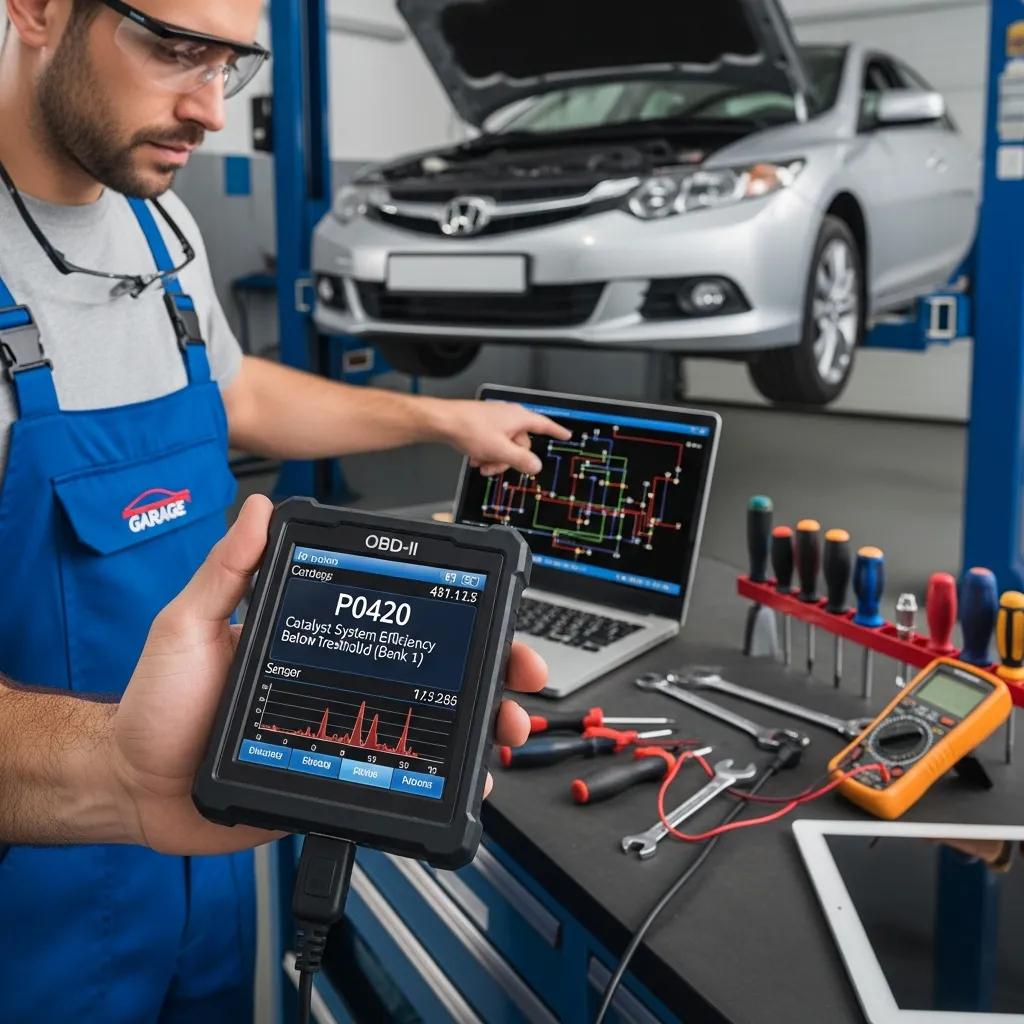
Diagnostic Trouble Codes (DTCs) are alphanumeric indicators generated by your vehicle’s sophisticated On-Board Diagnostics (OBD-II) system when it detects an operational anomaly. While a basic OBD-II scanner can retrieve these codes, simply reading them constitutes only the rudimentary first step in a truly comprehensive diagnostic process. Each code points to a specific system or component where a fault was detected, but it critically does not always pinpoint the *exact* root problem. For example, a code indicating a “P0301 – Cylinder 1 Misfire Detected” doesn’t elucidate *why* the misfire is occurring—it could be a faulty spark plug, a compromised fuel injector, a compression issue, a wiring fault, or even a complex ECU problem. True, authoritative diagnostics involve: BMW Diagnostics
- Expert Interpretation and Contextual Analysis: Understanding the intricate context of the code, recognizing common failure points specific to various vehicle makes and models, and comprehending how disparate systems interact and influence one another. This requires years of hands-on experience and continuous training.
- Advanced, OEM-Level Testing: Utilizing specialized, manufacturer-grade tools such as oscilloscopes for waveform analysis, advanced multimeters for precise electrical diagnostics, smoke machines for leak detection in vacuum and EVAP systems, and pressure testers for fuel and compression system integrity. These tools gather data far beyond what a basic scanner can provide.
- Systematic, Logical Troubleshooting Protocols: Adhering to a rigorous, step-by-step diagnostic methodology to systematically eliminate potential causes and isolate the definitive root problem. This often demands an in-depth mastery of complex electrical schematics, fuel delivery systems, engine mechanical principles, and emissions control strategies.
- Software and Firmware Expertise: Modern vehicles are essentially computers on wheels. Diagnosing often requires knowledge of software updates, module programming, and communication protocols between various control units.
For a deeper dive into the operational mechanics of OBD-II systems, authoritative resources like Car and Driver’s explanation of OBD-II scanners provide valuable technical insights.
When Professional Diagnostic Services Are Imperative
The decision to seek professional diagnostic services is not merely advisable but often critical, particularly if the check engine light is blinking, or if you observe any accompanying symptoms such as unusual engine noises, a noticeable reduction in power, persistent stalling, or significant deviations in fuel economy. Ignoring these unequivocal warning signs can precipitate far more severe problems, leading to extensive and potentially irreversible damage, and ultimately, substantially more costly repairs. Professional automotive technicians possess the specialized training, unparalleled experience, and access to advanced, OEM-level diagnostic equipment necessary to accurately interpret complex DTCs, perform exhaustive testing, and precisely pinpoint the exact underlying issue. Entrusting your vehicle to certified experts, such as those at BMW diagnostics, is the most prudent course of action, safeguarding your investment, ensuring your safety, and preventing future complications.
The Regulatory Imperative: Emissions and Vehicle Health
Beyond immediate vehicle performance, the check engine light plays a crucial role in environmental protection and regulatory compliance. The OBD-II system, mandated by government regulations, continuously monitors emissions-related components. When the CEL illuminates, it often signifies that your vehicle is exceeding permissible emission levels, contributing to air pollution. Addressing these issues promptly not only restores vehicle health but also ensures compliance with stringent environmental standards, preventing potential inspection failures and fines. This regulatory framework underscores the broader societal importance of responding to the check engine light.
Recommended Solutions and Expert Next Steps
When the check engine light activates, taking immediate, informed, and expert-guided action is absolutely essential to prevent further damage, ensure regulatory compliance, and preserve your vehicle’s long-term reliability and value.
Immediate, Critical Actions Upon Check Engine Light Activation
- Verify Gas Cap Security: As a preliminary step, ensure that the gas cap is securely tightened. A loose or improperly sealed cap is a surprisingly common, yet easily rectifiable, trigger for the check engine light. If this resolves the issue, the light should extinguish after a few drive cycles.
- Vigilantly Monitor Vehicle Performance: Pay meticulous attention to any discernible changes in your vehicle’s operational characteristics. Note any instances of stalling, diminished power, unusual odors (e.g., burning oil, raw fuel), or strange noises (e.g., knocking, hissing). Documenting these symptoms provides invaluable data for your diagnostic technician.
- Schedule an Immediate Professional Diagnostic Check: If the light persists after verifying the gas cap, or critically, if the light is blinking, it is imperative to schedule an advanced diagnostic check with a qualified, ASE-certified technician without delay. Procrastination in this scenario can lead to severe and costly damage.
Schedule Your Expert Diagnostic Service Today
Titan Auto Tech: Unparalleled Expertise in Advanced Diagnostic and Repair Services
At Titan Auto Tech, we stand as a beacon of excellence in comprehensive diagnostic assessments and precision engine repair services. Our distinguished team comprises highly skilled, **ASE Master Certified Technicians** who leverage state-of-the-art, OEM-level diagnostic equipment and possess an unparalleled depth of knowledge required to accurately interpret even the most complex DTCs and definitively uncover the root cause of your vehicle’s issues. We transcend the limitations of basic code reading, employing rigorous, multi-point advanced testing procedures to ensure an absolutely precise diagnosis. With an unwavering commitment to uncompromising quality, absolute transparency, and paramount customer satisfaction, we guarantee that your vehicle receives the highest caliber of care available in the industry. Whether confronting a seemingly straightforward anomaly or a highly intricate engine repair, our team is expertly equipped to handle a diverse array of premium vehicle makes, including BMW, Audi, Mercedes-Benz, and Honda. Our mission is not merely to extinguish the check engine light, but to meticulously resolve the underlying problem effectively, efficiently, and with enduring reliability.
Is Your Check Engine Light On? Don’t Guess, Get a Professional Diagnosis!
The integrity of your vehicle’s performance and your safety depend on accurate diagnostics. Let our expert, ASE Master Certified technicians accurately diagnose and definitively resolve your vehicle’s issues with unparalleled precision. Schedule your advanced diagnostic service today and drive with absolute confidence and peace of mind.
Book Your Diagnostic Appointment
Common Check Engine Light Triggers and Expert Recommendations
| Critical Issue | Detailed Description | Mandatory Action |
|---|---|---|
| Loose/Faulty Gas Cap | Compromises the evaporative emissions system (EVAP), allowing fuel vapors to escape and triggering an emissions fault. | Ensure the gas cap is securely tightened or replaced if damaged. If the light persists after several drive cycles, professional inspection is required. |
| Faulty Oxygen Sensor | Directly impacts fuel efficiency, increases harmful emissions, and degrades overall engine performance due to incorrect air-fuel mixture data. | Requires precise professional diagnosis to confirm failure and expert replacement with an OEM-quality part. |
| Catalytic Converter Issues | Severely impairs emissions control, leading to increased pollutants and significant reduction in engine power. Often a symptom of other underlying engine problems. | Demands immediate expert inspection, comprehensive diagnosis of the root cause, and potential replacement, which is a significant repair. |
| Engine Misfire (Blinking Light) | Indicates unburnt fuel entering the exhaust, which can rapidly overheat and destroy the catalytic converter. This is a critical, active damage scenario. | Immediate professional diagnostic and repair service is absolutely critical to prevent catastrophic engine and emissions system damage. Do not drive the vehicle if possible. |
| Mass Airflow (MAF) Sensor Malfunction | Provides incorrect air intake data to the ECU, leading to improper fuel delivery, rough idling, stalling, and poor acceleration. | Requires professional diagnosis to differentiate from other fuel/air issues and precise replacement or cleaning. |
This authoritative table meticulously summarizes common issues that can trigger the check engine light and outlines the mandatory actions required. Addressing these critical problems promptly and with certified professional expertise is paramount to maintaining your vehicle’s peak performance, preventing further complications, ensuring environmental compliance, and safeguarding your ultimate safety on the road.